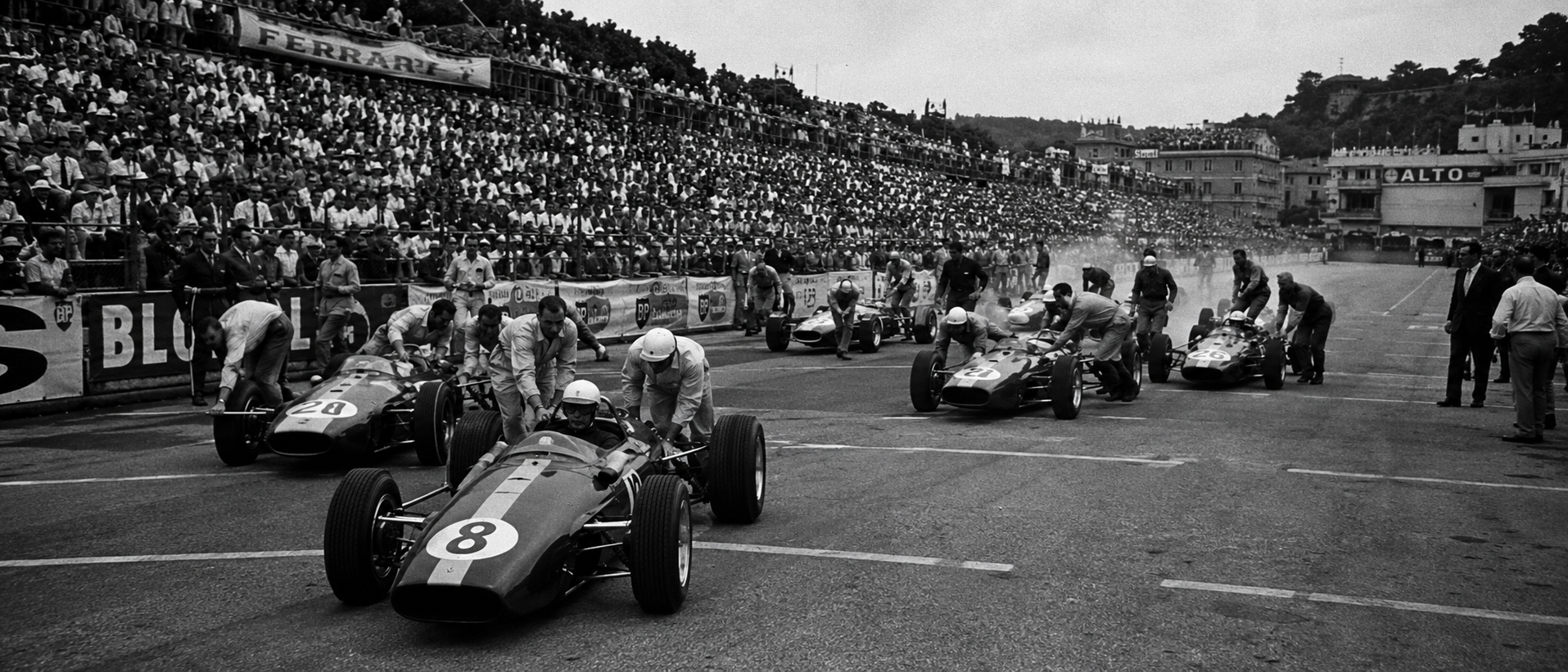
MACHINE DU TEMPS
A Refusal.
There was a morning in Maranello.
Not the museum. Not the factory tour. The track.
The founder of MDT had spent fifteen years studying the architecture of time. That morning, he sat inside a cockpit for the first time.
No GPS. No assists. Every component doing exactly what it was engineered to do. Nothing more.
And in that moment he understood something fifteen years of collecting had never taught him:
A great machine doesn't ask for your attention. It demands it.
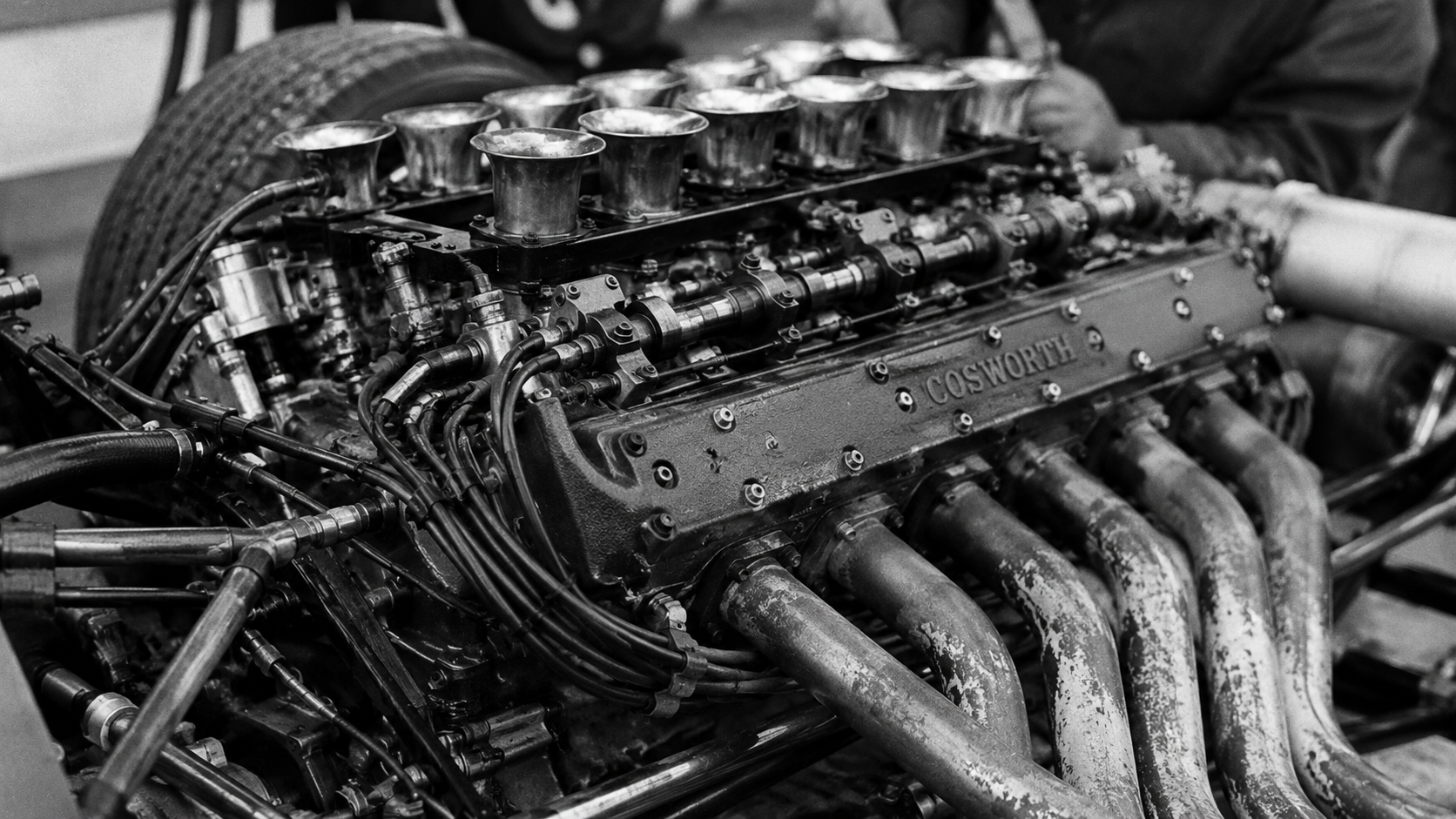
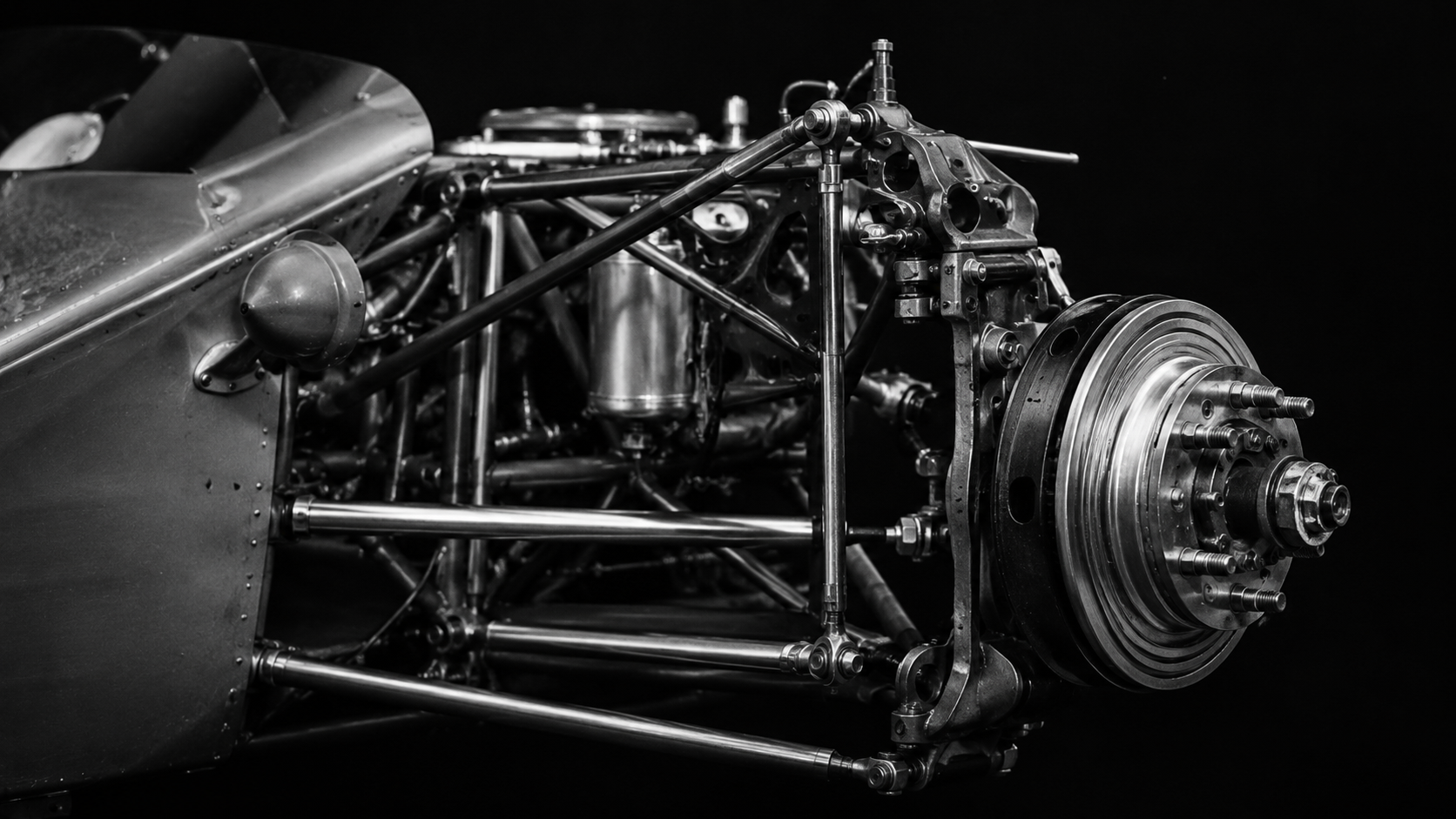
Engineered.
He had owned watches that cost more than cars. Studied movements under loupes at three in the morning. Genta's geometry. Mille's structural radicalism. The machines of MB&F.
But sitting in that cockpit, he realized modern watchmaking had forgotten something.
The feeling.
The raw, mechanical, honest feeling of a thing built to perform. Not to impress. Not to signal. To function — at the absolute edge of what materials allow.
"This is not minimalism. This is mechanical truth."
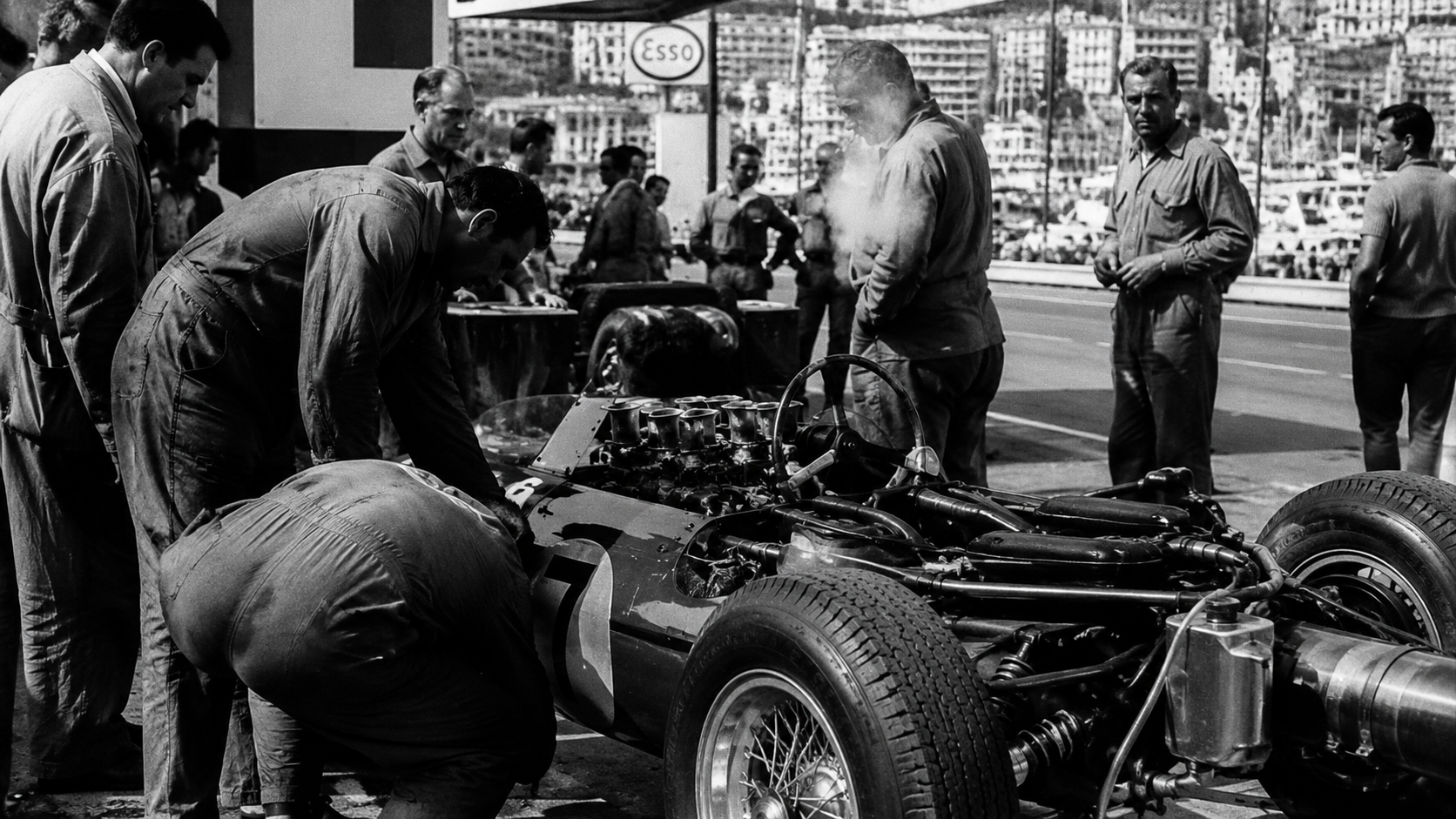
Built Like a Chassis.
The blueprint took three years.
A watch built like a racing chassis. A monocoque case suspending the movement on titanium bridges — the way a 1967 Formula 1 car suspended its driver inside a tubular frame. A display that shows time the way a rev counter shows rpm. Instantly. Mechanically. Without interpretation.
He called it Machine du Temps. Not because it was poetic. Because it was accurate.
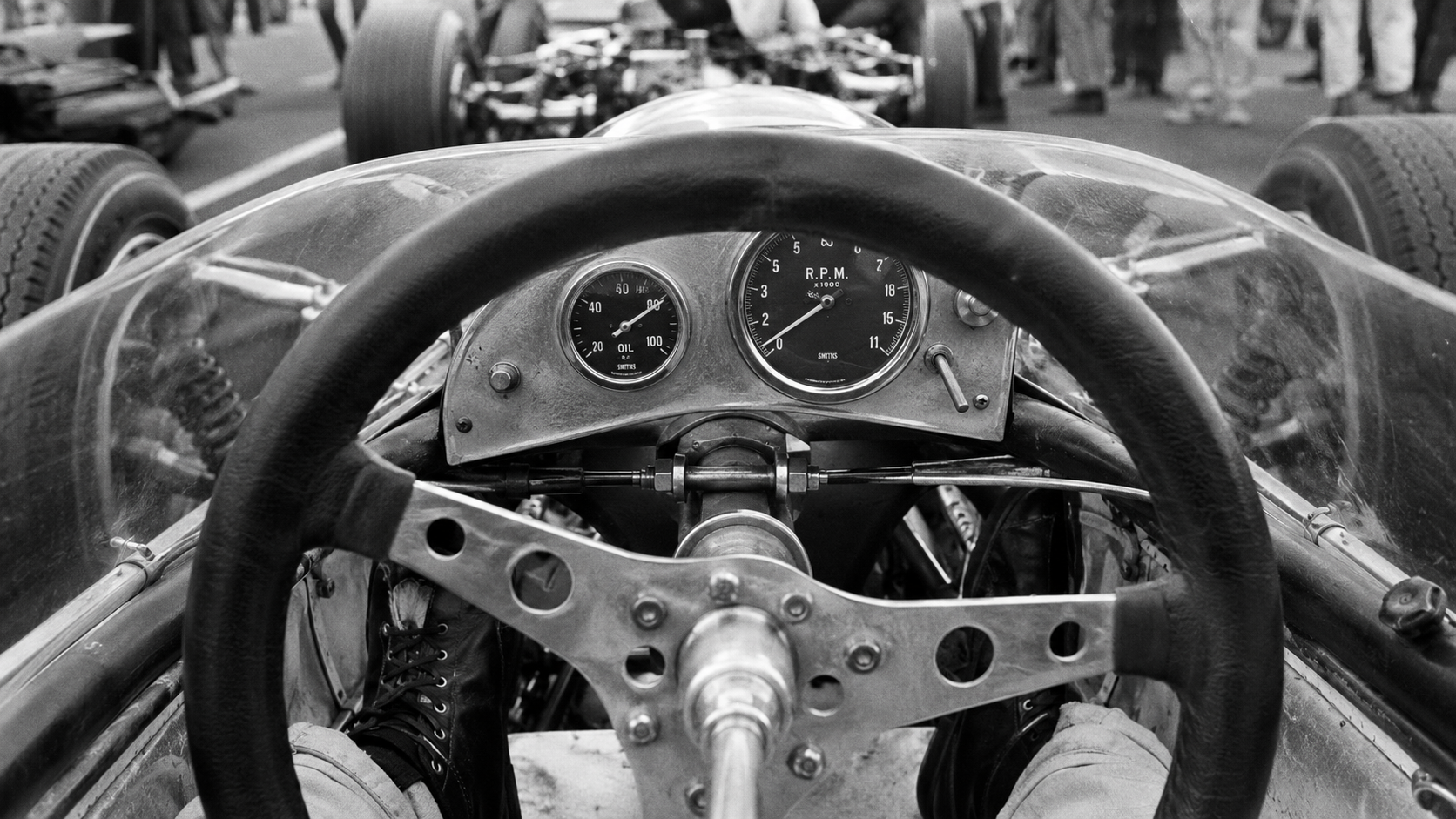
MDT R1 Origins.
Not a debut. A statement.
The atelier: Monaco. Because Monaco is where the cars and the ocean and the obsession converge. Because Monaco has no nostalgia — only performance.
The R1 Origins is the first machine. 50 pieces. No second run. No apology.